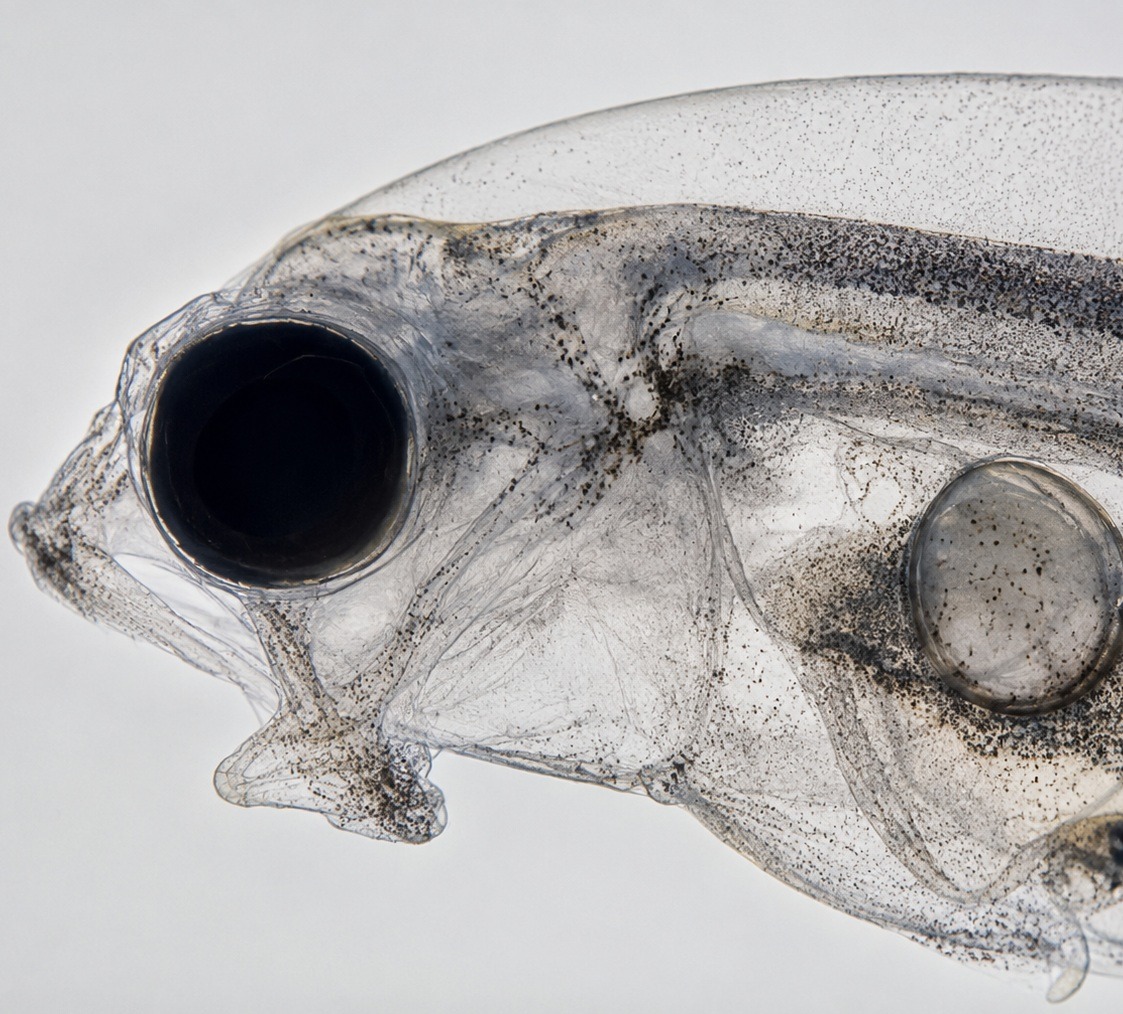
It all started with undergraduate research at the University of Magallanes aimed at understanding the high incidence of deformities and mortality in halibut larvae. The study revealed differences in Vibrio bacteria associated with affected and healthy larvae, giving rise to a line of research focused on the relationship between microbiota and larval health.
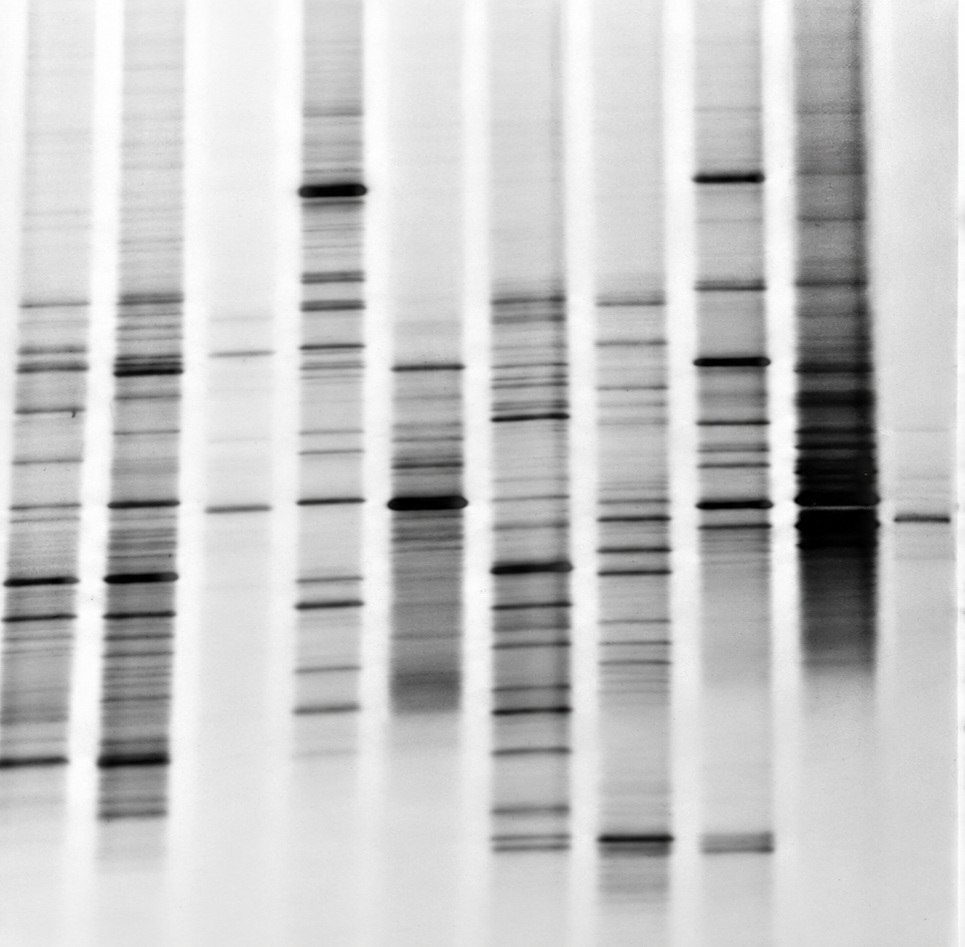
The research went on to study the gut microbiota of wild and farmed fish. The marked differences in bacterial diversity made it possible to explore in depth how the environment and culture conditions can alter the microbial communities associated with fish.
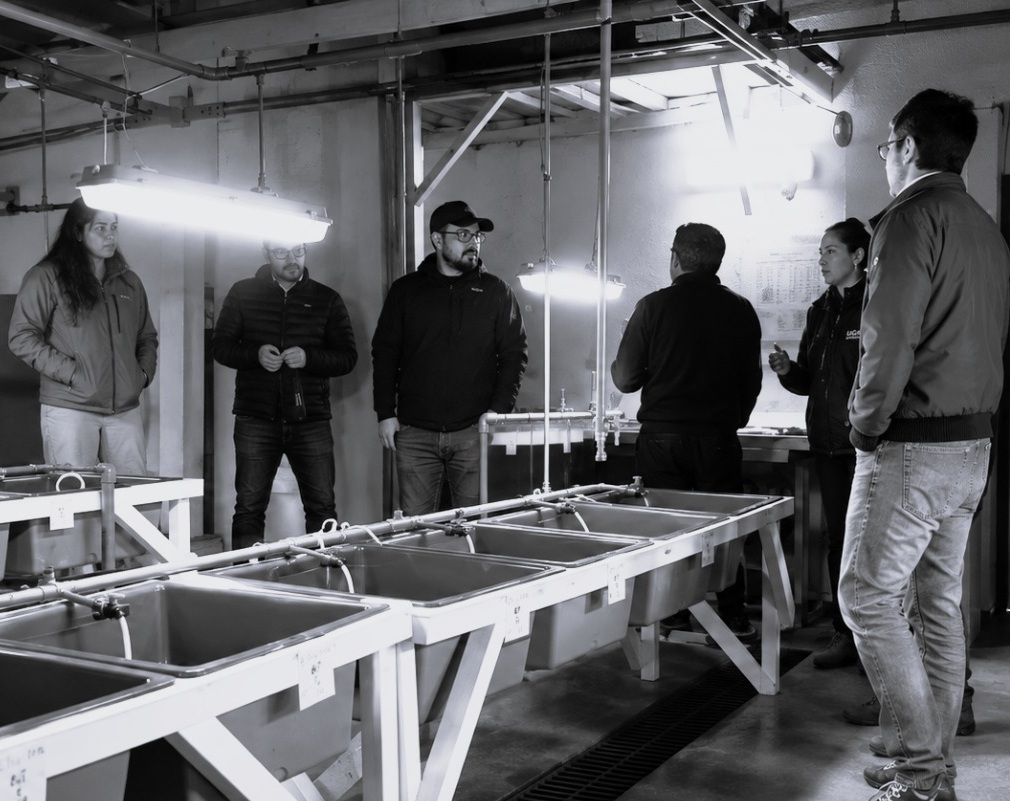
At the University of Magallanes’ Bahía Laredo Marine Culture Center, this line of research was strengthened through several aquaculture R&D projects, bringing together microbiology, marine fish farming and the health challenges found in production systems.
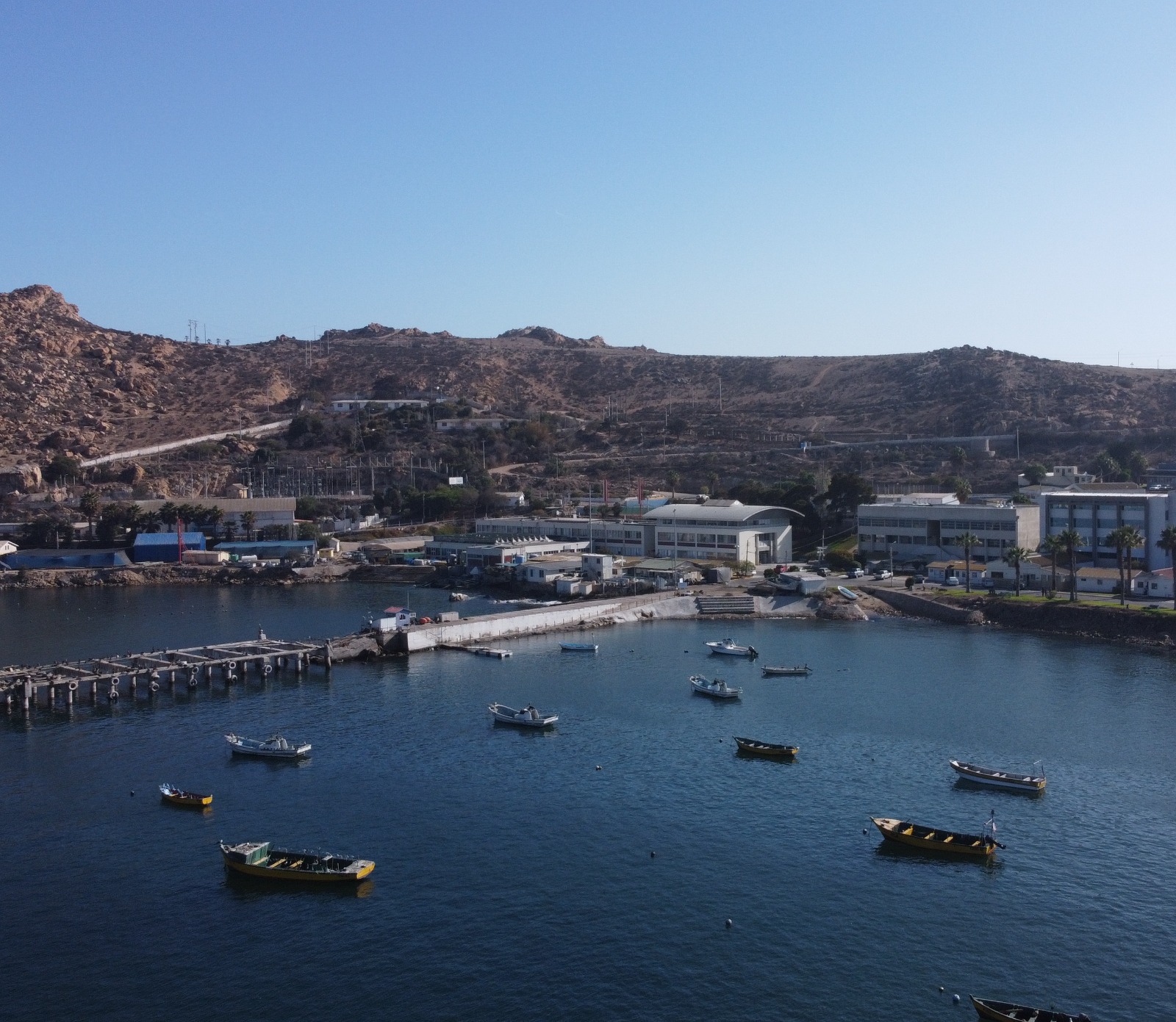
A new chapter began at Universidad Católica del Norte in Coquimbo. After years studying the relationship between bacteria and marine fish health, a new question emerged: could beneficial marine bacteria be used to naturally protect larvae and improve their survival?
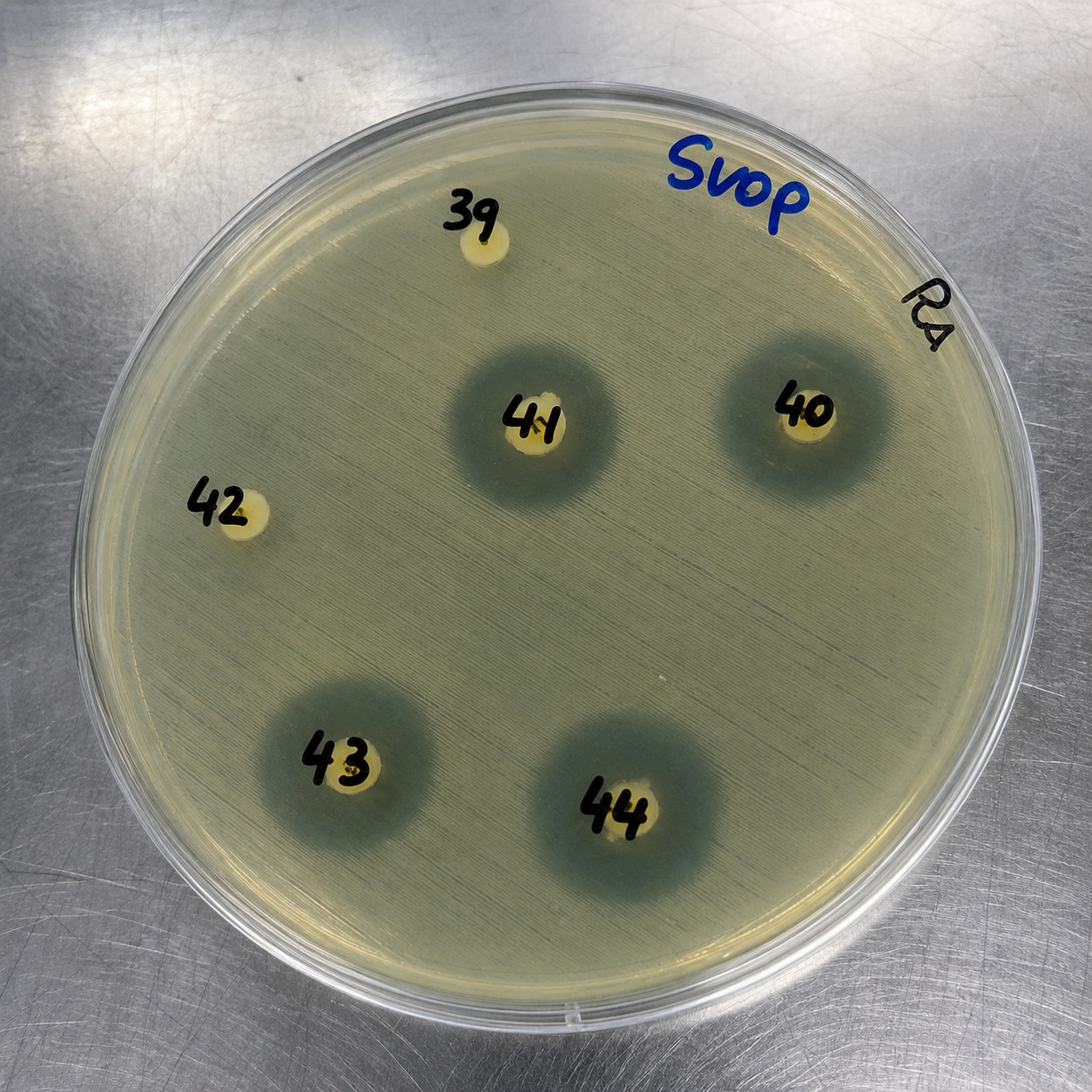
Doctoral research made it possible to identify and select marine bacteria with probiotic properties capable of controlling Vibrio bacteria. Trials in live feed and fish larvae showed their potential to reduce pathogen load and increase larval survival.
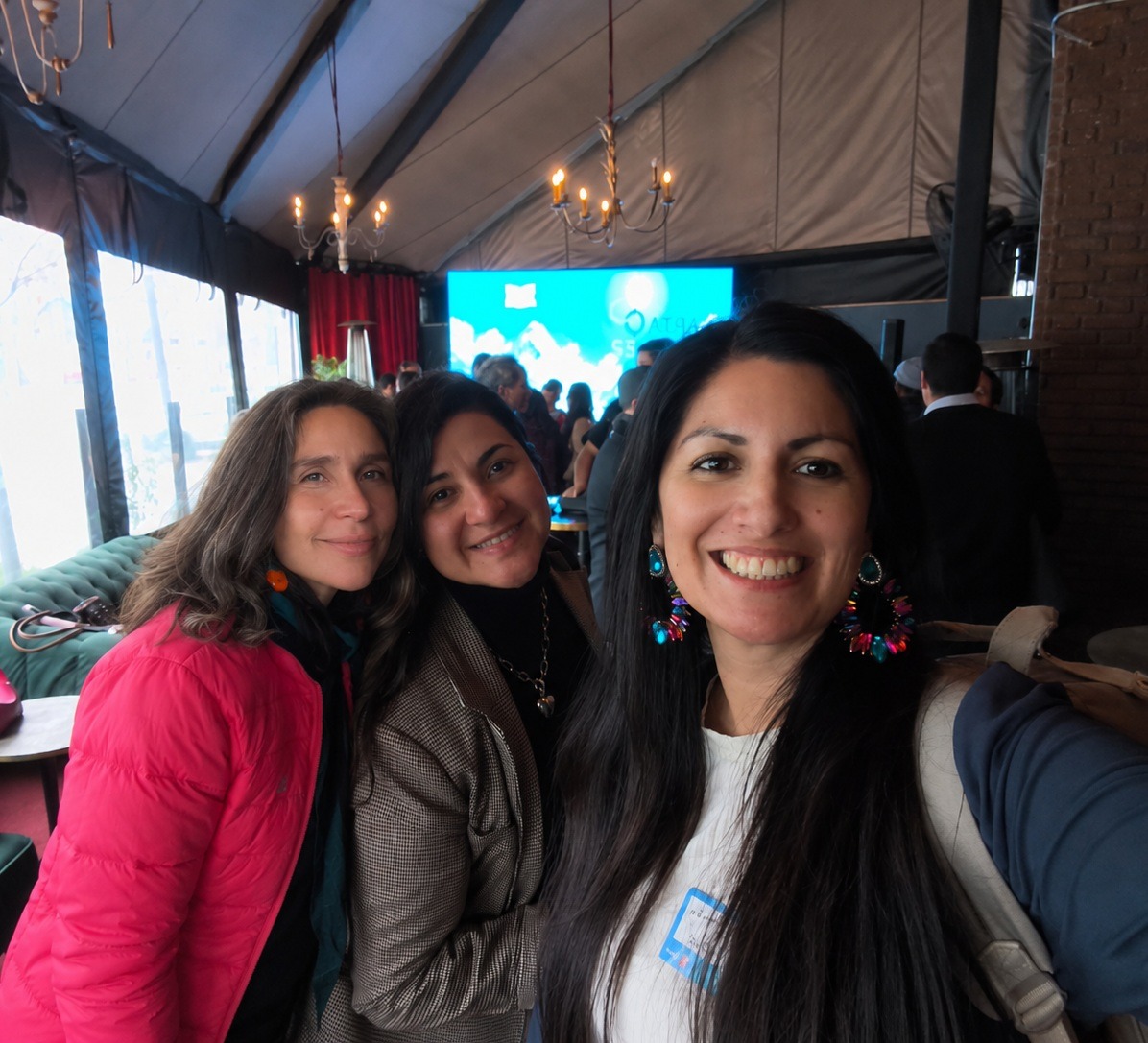
Built on nearly two decades of research, VIOBACT was founded as a science- and technology-based company to turn these findings into solutions for aquaculture. Today we are moving from science to industry with marine probiotics for healthier, more efficient and more sustainable production.
It all started with undergraduate research at the University of Magallanes aimed at understanding the high incidence of deformities and mortality in halibut larvae. The study revealed differences in Vibrio bacteria associated with affected and healthy larvae, giving rise to a line of research focused on the relationship between microbiota and larval health.
The research went on to study the gut microbiota of wild and farmed fish. The marked differences in bacterial diversity made it possible to explore in depth how the environment and culture conditions can alter the microbial communities associated with fish.
At the University of Magallanes’ Bahía Laredo Marine Culture Center, this line of research was strengthened through several aquaculture R&D projects, bringing together microbiology, marine fish farming and the health challenges found in production systems.
A new chapter began at Universidad Católica del Norte in Coquimbo. After years studying the relationship between bacteria and marine fish health, a new question emerged: could beneficial marine bacteria be used to naturally protect larvae and improve their survival?
Doctoral research made it possible to identify and select marine bacteria with probiotic properties capable of controlling Vibrio bacteria. Trials in live feed and fish larvae showed their potential to reduce pathogen load and increase larval survival.
Built on nearly two decades of research, VIOBACT was founded as a science- and technology-based company to turn these findings into solutions for aquaculture. Today we are moving from science to industry with marine probiotics for healthier, more efficient and more sustainable production.
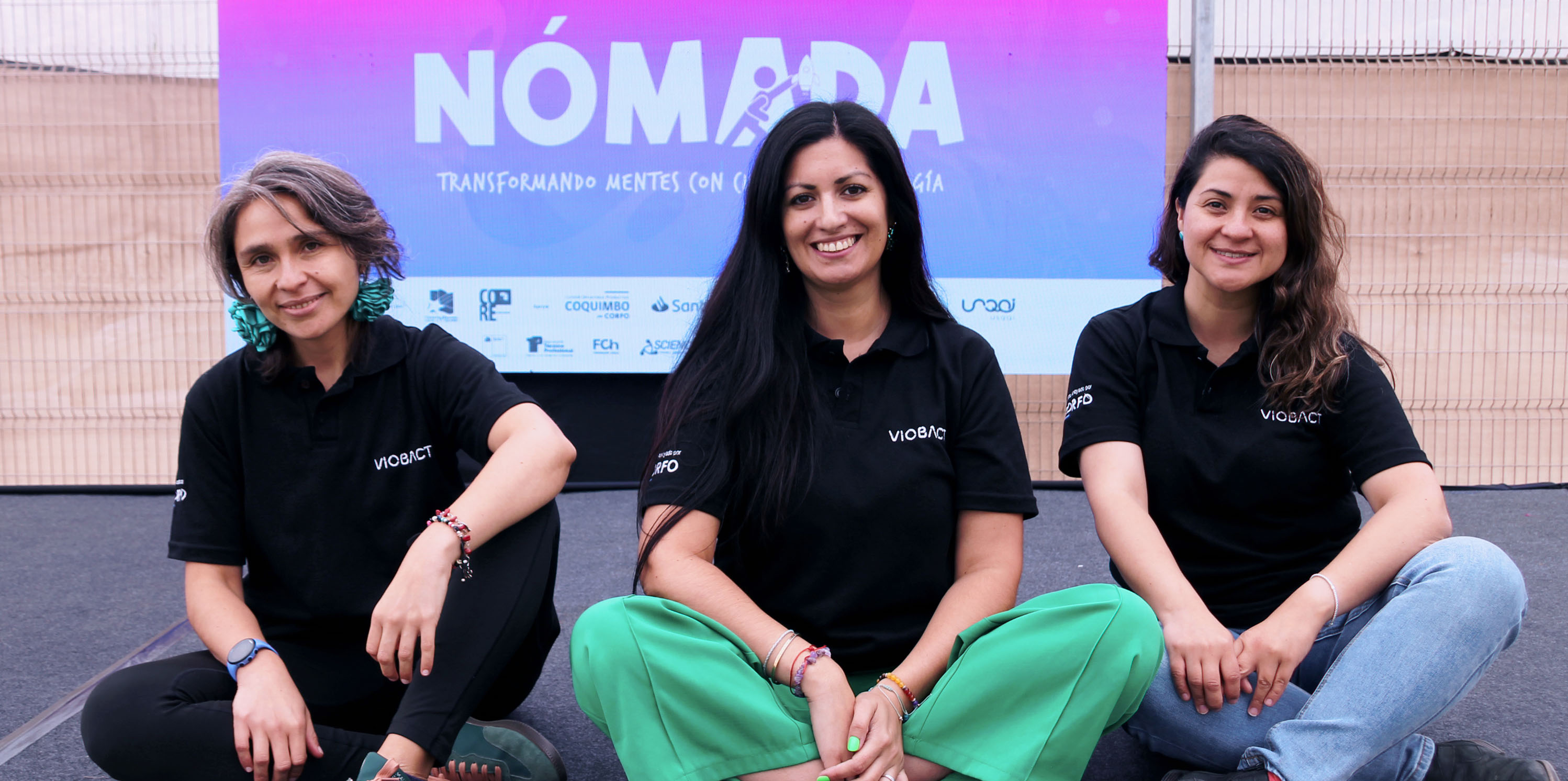
CEO & Founder of VIOBACT – PhD in Aquaculture – Marine Biologist
Marine biologist with an MSc and a PhD in Aquaculture, and a researcher specialized in marine microbiology and applied biotechnology. Founder of VIOBACT. With more than 15 years of research experience, she leads innovation and technology transfer projects funded by ANID and CORFO, driving science-based solutions with impact for the aquaculture industry in Chile and abroad.
Project Manager at VIOBACT – MSc in Innovation and Technology – Marine Biologist
She has more than 10 years of experience in applied research, marine conservation, small-scale fisheries development and science education. She has worked at universities, research centers and public agencies, leading and managing projects funded by FONDECYT, FIPA, Fondef and FFPA. Her career brings together science, innovation and management with an interdisciplinary approach focused on collaboration and social and environmental impact.
Operations Manager at VIOBACT – Veterinarian (DVM)
Veterinarian and PhD candidate in Aquaculture, with experience in applied research, innovation and sustainability in the aquaculture sector. Specialist in aquatic animal health, microbiology and histology. She was a fellow at the Université de Montréal and Director of Health and Biosecurity at Fundación Chile – Tongoy Center. She currently advises innovation and circular economy projects in the aquaculture industry.

Our team combines expertise in applied biotechnology and project management to deliver real solutions to the challenges of modern aquaculture. We work rooted in science and place to move the industry toward a more sustainable and efficient model.
Unlike antibiotics, VIOPro does not indiscriminately eliminate bacteria from the system. Instead, it promotes a beneficial microbiota that reduces the establishment of pathogens.
In most cases, yes, although we recommend assessing compatibility to avoid competition between strains.
Yes. VIOPro is designed for intensive systems where microbiological control is key.
Our marine probiotics, developed from native strains and protected by intellectual property, have been shown to reduce Vibrio bacteria by 80–90% and improve larval survival. Unlike other alternatives, our technology combines scientific backing, innovation and validation under real culture conditions to support more efficient, healthier and more sustainable aquaculture production.
The strains used have been selected for their safety and lack of pathogenicity to aquatic organisms.